Explore Acoustic Guitar Types and Uses
Acoustic guitars create sound through vibrating strings and a resonant body, making them useful for practice, songwriting, performance, and group music-making. Steel-string acoustic guitars are common in folk, pop, country, and rock, while classical guitars use nylon strings and suit fingerstyle playing, traditional repertoire, and gentler string feel. Acoustic-electric models add a pickup and controls so the instrument can connect to an amplifier or recording setup. Smaller travel guitars and compact body designs offer portability, while full-size models provide a familiar playing experience for many musicians. When comparing acoustic guitars, consider where and how often you will play, your preferred musical styles, and whether amplification is important. Ubuy offers a way to discover acoustic guitar products from international sellers, including instruments and related accessories.
- Steel-string, nylon-string, acoustic-electric, and travel options
- Choose by playing style, setting, and portability needs
- Compare complete instruments with related accessories
Body Construction, Tonewoods, and Finish
An acoustic guitar's body construction influences its response, feel, and appearance. The top, or soundboard, is especially important to how the instrument vibrates; common materials include spruce and cedar, each offering a distinct character. Back and sides may use mahogany, rosewood, sapele, or other tonewoods, while laminated construction is another option found across a range of instruments. Solid-wood and layered-wood designs differ in construction, so check the manufacturer's specifications rather than judging by appearance alone. Body shape, bracing, neck profile, and scale length also affect comfort and sound. Gloss and satin finishes change the surface feel and visual style, but finish should be considered alongside playability and build details. Familiar makers such as Yamaha, Martin, Taylor, and Fender offer varied designs, so compare specifications within each model range.
- Check soundboard, back, and side materials
- Compare body shape, bracing, neck, and scale length
- Review construction details alongside finish
Body Shapes, Sizes, and Playing Comfort
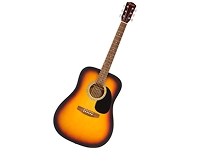
Acoustic guitar body shapes range from compact parlour and concert designs to larger dreadnought and jumbo styles. A larger body can feel substantial in the lap and may suit players seeking a broad, full response, while smaller bodies can be easier to hold during long practice sessions or travel. Orchestra and auditorium shapes offer other proportions, with differences in waist, depth, and upper-bout width. Names and measurements vary among manufacturers, so use stated dimensions and, when possible, try the instrument in a playing position. Neck width, string spacing, action, and overall weight are also important comfort factors, particularly for beginners or players with smaller hands. Cutaway designs provide easier access to higher frets, though they change the body outline. Choose a size that supports relaxed posture and the techniques you expect to use.
- Compare parlour, concert, dreadnought, and jumbo bodies
- Check dimensions, weight, and neck comfort
- Consider a cutaway for access to upper frets
Strings, Hardware, and Acoustic-Electric Features
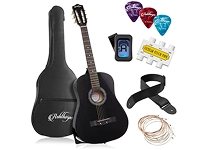
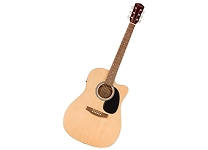
String type and setup shape an acoustic guitar's feel. Steel strings are not interchangeable with nylon strings: use the type specified for the instrument, since the neck and construction are designed for particular tension. Gauge affects tension and touch, while fresh strings can help maintain a clear, consistent response. Inspect the bridge, saddle, nut, tuning machines, fretwork, and action when comparing models. Acoustic-electric guitars typically include an under-saddle pickup or another pickup design, with onboard controls that may include volume, tone, or a tuner. Check output connections and controls against your amplifier, audio interface, or performance setup. A gig bag or hard case, strap, tuner, capo, picks, and spare strings can make a useful accessory set. Ubuy can help shoppers explore international acoustic guitar models and compatible gear; review product specifications carefully before choosing.
- Use the string type specified for the guitar
- Review tuning hardware, bridge, and playability
- Match pickup outputs and accessories to your setup
Choosing, Maintaining, and Using Your Guitar
Start your purchase comparison with playing level, budget, intended setting, and preferred sound. Beginners may prioritize comfortable action, stable tuning, and a suitable size; experienced players may focus on tonewoods, pickup options, craftsmanship, and stage or studio requirements. Check what is included, such as a case or setup accessories, and confirm that replacement strings and other parts match the instrument. Regular care helps keep an acoustic guitar ready to play: wipe strings and surfaces after use, store it securely in a case, and avoid abrupt temperature or humidity changes. A qualified technician can assess action, neck relief, fret condition, and intonation if adjustments are needed. For live use, consider a suitable cable and amplifier; for home recording, check the pickup or microphone arrangement. Ubuy provides a place to discover acoustic guitars and related products from international sellers.
- Match features to skill level and intended use
- Check included items and replacement-part compatibility
- Clean, store, and maintain the instrument thoughtfully
Select the Right acoustic guitars
The right acoustic guitar should feel comfortable, suit your music, and fit the way you plan to use it. Narrow your options by choosing steel or nylon strings, a body size, and whether you need an onboard pickup. Then compare scale length, neck profile, action, construction, and included accessories using each product's specifications. If you are new to guitar, a comfortable instrument that stays in tune can encourage consistent practice; experienced players may prioritize a particular tonal response or stage-ready features. Consider how the guitar will be transported and stored, and select a case or gig bag suited to its body shape. Ubuy can be used to explore acoustic guitars and accessories across product listings. Review details such as dimensions, materials, and compatibility before adding an instrument to your shortlist, so your choice aligns with both your playing preferences and practical needs.
- Shortlist by strings, body shape, and amplification needs
- Compare specifications and included accessories
- Prioritize comfort, compatibility, and intended use